Estonia Digital Nomad Visa 2026: How to Live in Europe's Most Digital Country
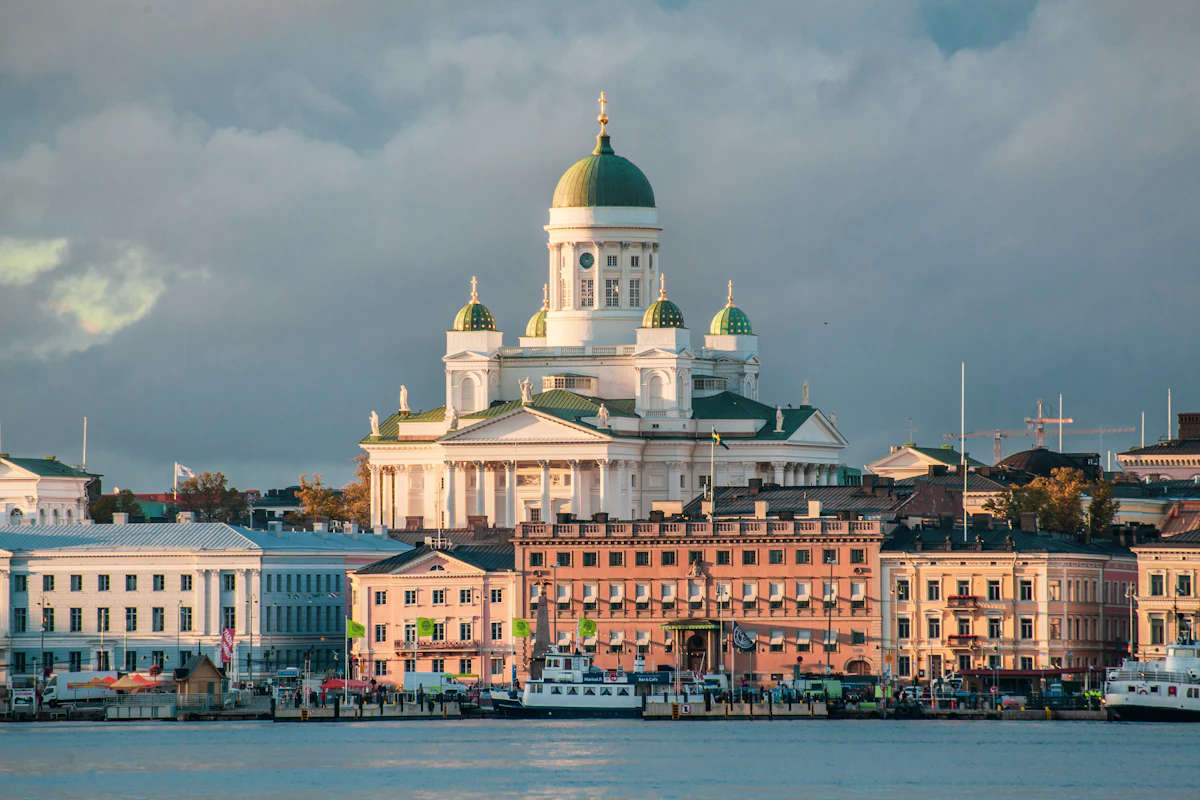
- Primary Signal: Estonia Digital Nomad Visa 2026: How to Live in Europe's Most Digital Country
- Overview: Estonia's digital nomad visa lets remote workers live in the birthplace of Skype for up to a year. This guide explains the €4,500 income requirement and the application process....
- Verification: Analyzed and compiled by FreeSky Remote editorial monitoring desk.
Estonia was one of the first countries in the world to offer a digital nomad visa, and it remains one of the most straightforward. The country is the birthplace of Skype, a leader in digital government, and a place where almost everything — from voting to prescriptions — happens online. Its nomad visa lets remote workers live in Estonia for up to a year, and it is designed for people who work in tech and want to experience Europe's most digital society from the inside.
What the Estonian visa offers
The Estonian digital nomad visa is a D visa that allows a stay of up to one year. It is intended for professionals who work remotely for an employer or clients outside Estonia, and it does not allow you to work for local Estonian employers — freelancers' clients must be mostly outside Estonia. The visa is a single-entry long-stay visa, which means you can live in Estonia for the full year, travel within the Schengen area, and work remotely throughout. It does not lead directly to permanent residence, but it is an excellent way to experience Estonia and the wider Baltic region.
The income requirement: €4,500 a month
Estonia's income requirement is the highest among the major nomad visas: you must show a monthly gross income of 4,500 euros from remote work or self-employed business during the six months before you apply. That figure reflects Estonia's high standard of living and its focus on attracting established professionals rather than beginners. You prove the income with employment contracts, payslips, bank statements and tax returns, and the six-month history matters — a single good month is not enough. If your income is below the threshold, Estonia is not the right visa, and a lower-threshold country like Georgia or Croatia will suit you better.
How to apply
Apply at an Estonian embassy or consulate, or through the online application system, submitting your passport, proof of remote work, proof of income for the last six months, health insurance and the application form. The processing time is typically a few weeks, and the visa fee is modest. Once approved, you travel to Estonia and register your address, and you are free to live and work remotely. The Estonian government provides clear guidance in English on its official site, and the process is notably more digital and straightforward than most countries' visa systems — which is exactly what you would expect from Estonia.
Living in Estonia as a nomad
Estonia is small, quiet and highly digital. Tallinn, the capital, has a beautiful medieval old town, a thriving startup scene and excellent internet everywhere. The cost of living is moderate by European standards, though higher than southern Europe. The winters are cold and dark, which suits some people and not others, and the summers are long, bright and beautiful. English is widely spoken, especially in tech, and the e-residency programme — a separate scheme that lets you run an EU company online — is a useful complement if you are a freelancer or a founder.
Is Estonia right for you?
Estonia suits experienced remote workers with a solid income who want a well-organised, digital-first country with a strong tech community. It does not suit beginners, because the income threshold is high, or people who want sunshine and a low cost of living, because Estonia has cold winters and moderate prices. If you meet the threshold and you value efficiency, safety and digital infrastructure over weather and beaches, Estonia is one of the best nomad experiences in Europe — and the visa that started the whole movement is still one of the simplest to get.
More from FreeSky Remote