How to Tell If Your Remote Job Is at Risk of Layoffs: 7 Warning Signs

- Primary Signal: How to Tell If Your Remote Job Is at Risk of Layoffs: 7 Warning Signs
- Overview: Layoffs rarely come out of nowhere. These seven warning signs — from hiring freezes to sudden return-to-office mandates — can help remote workers spot trouble early and prepare bef...
- Verification: Analyzed and compiled by FreeSky Remote editorial monitoring desk.
October 2026's layoff headlines carry a lesson for remote workers. A Wall Street Journal analysis of two million white-collar workers found remote staff were 35% more likely to be laid off than hybrid or on-site peers — not from worse performance, but because visibility decides who stays when budgets tighten. Companies usually telegraph cuts months in advance. Reading them buys the one thing laid-off workers wish they had: time.
The first signs involve headcount quietly shrinking. Open roles vanish from the careers page, departing colleagues are never replaced, and contractors are let go first. Leadership language shifts too: 'efficiency,' 'AI transformation,' and 'doing more with less' are classic pre-layoff vocabulary. A formal hiring freeze is the loudest version. One sign alone means little — but three or four together mean your company is cutting headcount without announcing it.
The second sign is a sudden return-to-office mandate with a short deadline. When a remote-tolerant company abruptly demands five office days, it is often a 'soft layoff' — leadership knows some people will quit rather than commute. The attendance gap behind recent mandates shows how this plays out in practice. If your RTO order arrived alongside budget cuts, treat it as a layoff signal, not a culture initiative.
The third sign is personal: you are being made invisible. You are dropped from meetings you used to lead, feedback turns vague, and your manager asks you to document everything in granular detail. For remote workers, visibility is survival — and the antidote is writing. Our async communication handbook shows how documented updates make your output undeniable to decision-makers, which is exactly what protects you when lists get drawn up.
The fourth cluster is leadership behavior. Executives start leaving, external consultants appear, and finance scrutinizes every expense. Closed-door 'leadership syncs' fill calendars while all-hands meetings get vaguer. In the US, a WARN Act notice filed with the state is the legal smoking gun — it precedes mass layoffs by 60 days. Watch company filings and local news, not just internal Slack, because the paperwork often moves before the rumors do.
If you are seeing these signs, act while you still have a paycheck. Make your output visible every week, reconnect with your network early, and build a three-to-six-month financial buffer. Update your resume and start taking recruiter calls — exploring options is insurance, not disloyalty. Our hybrid-market job search playbook covers screening employers for genuine flexibility, so your next role is safer than this one.
❓ Frequently Asked Questions (Remote Work Briefing)
What makes this Remote Work feature significant for FreeSky Remote readers?
Our editorial team tracks verified source corroboration, technical specifications, and cultural resonance to deliver comprehensive analytical coverage.
How frequently is this coverage updated?
Our 24/7 automated monitoring desk updates breaking developments, verified media telemetry, and community commentary in real-time.
Where can readers follow ongoing developments on How to Tell If Your Remote Job Is at Risk of Layoffs: 7 Warning Signs?
Bookmark this page or subscribe to our verified RSS feed for instant breaking alerts and in-depth analyses.
💼 Verified Remote Job Specification & Direct Application Link
Transparent salary ranges, benefits breakdown, and fast-track hiring contacts.
⚡ Apply for Remote Position ➔More from FreeSky Remote

 ⚡ CyberTech 568
Anthropic says its workforce has become less junior and is spending more time in meetings
The composition of Anthropic’s workforce and the type of work getting done have changed significantly in the p...
 🤖 WinBar AI
How Do AI Betting Bots Work? Are They Profitable?
How do AI betting bots work, and are they actually profitable? We break down bot mechanics, what separates win...
☁️ FreeSky Cloud
How to Fix Slow Wi-Fi on a Windows 11 Laptop: What Reddit Actually Recommends
The same fixes surface in every Reddit thread on laptop Wi-Fi — drivers, bands, and power settings first, hard...
 🗺️ FreeSky GeoData
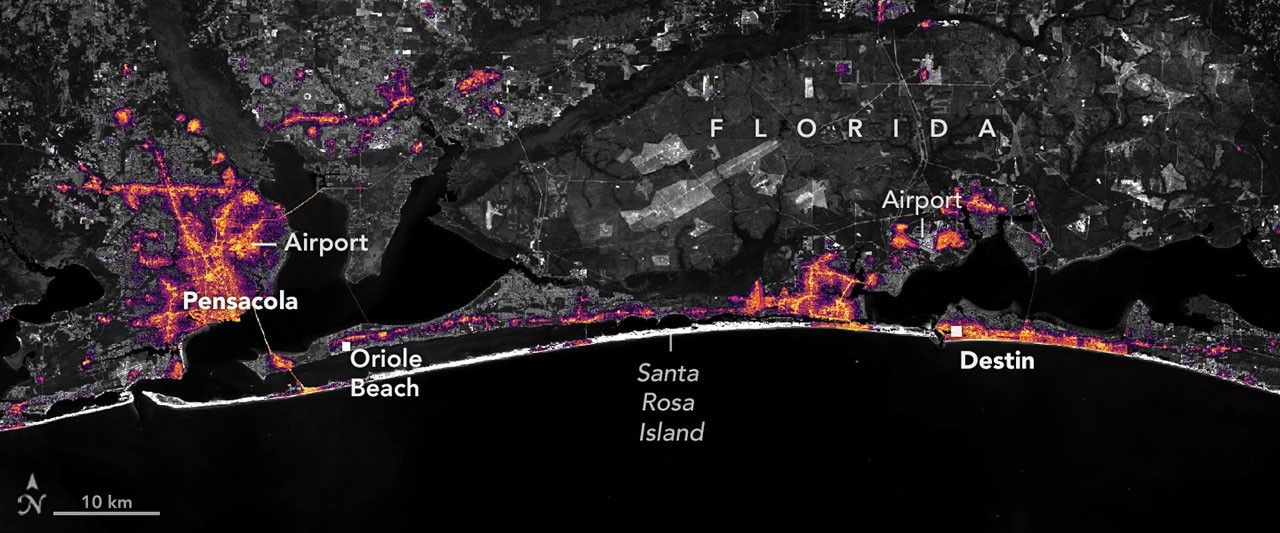
Isaías oscurece la costa del Golfo
Imágenes de alta definición de luces nocturnas muestran dónde el huracán dejó sin electricidad a lo largo del ...