Italy Digital Nomad Visa 2026: Requirements, Income and How to Apply
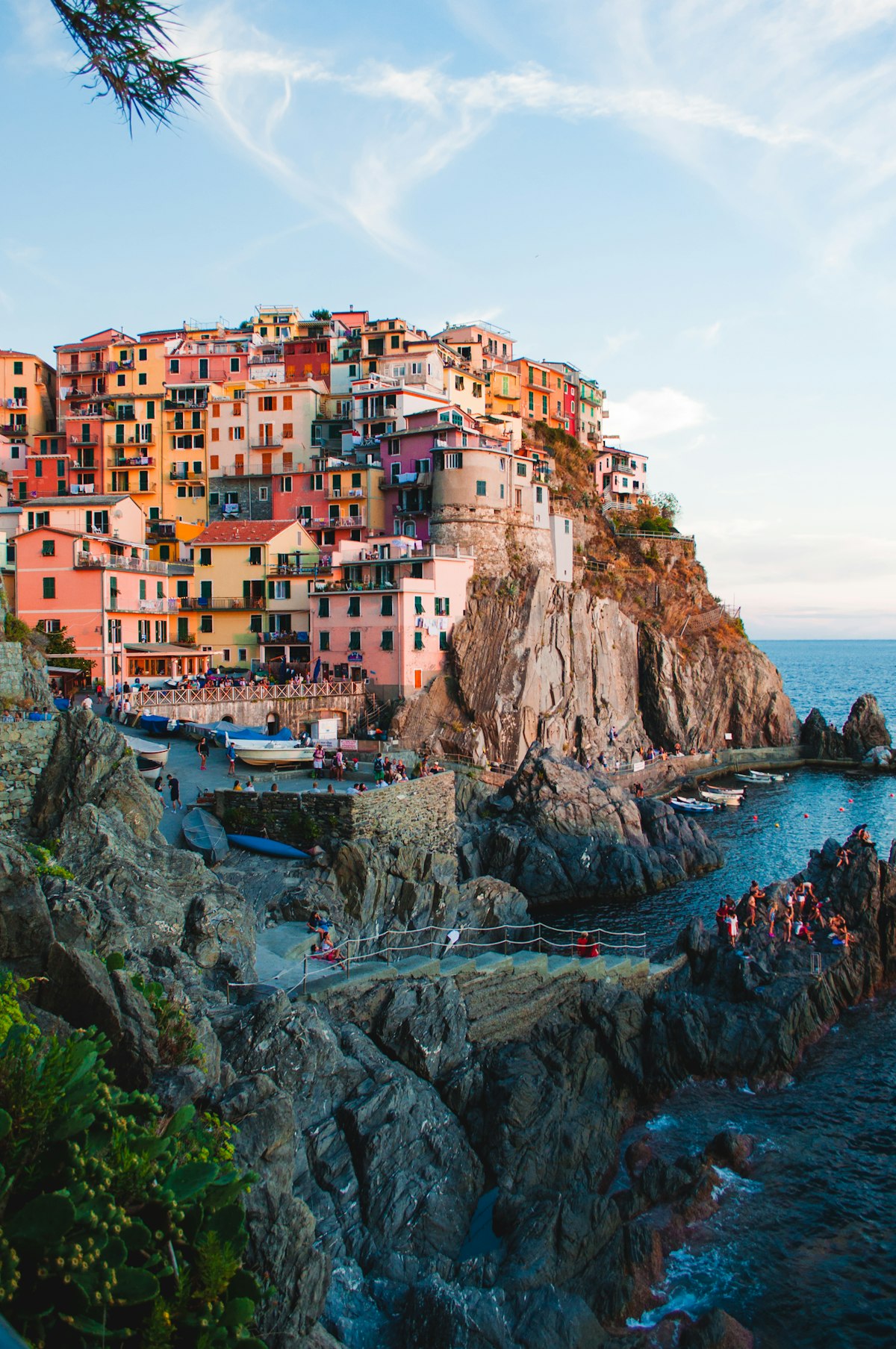
- Primary Signal: Italy Digital Nomad Visa 2026: Requirements, Income and How to Apply
- Overview: Italy asks for about 2,066 euros a month, the lowest income threshold of any major European digital nomad visa, and it leads to permanent residence. Here are the requirements, the ...
- Verification: Analyzed and compiled by FreeSky Remote editorial monitoring desk.
Italy has the lowest income threshold of any major European digital nomad visa, and it is the only cheap European route that leads to permanent residence. The digital nomad visa asks for about 2,066 euros a month, around $2,100 to $2,400 depending on the exchange rate, far below Portugal at about $3,850, Spain at about $3,050 and Greece at about $3,850. If your income sits between $2,000 and $3,000 a month and you want a European base, Italy is your most realistic option. Here is how the visa works, what you need, and what to watch out for.
Who Can Apply and What You Need
Italy's digital nomad visa is for highly skilled remote workers, both employees of foreign companies and freelancers with foreign clients. You need to show an annual income of about 24,790 euros, roughly 2,066 euros a month, which must come from remote work for employers or clients outside Italy. You also need health insurance valid in Italy, a place to stay, a clean criminal record, and proof that you have been working remotely for at least six months. Freelancers need to show contracts or client agreements, while employees need a letter from their employer confirming that the work can be done remotely. The visa is issued for one year and is renewable, and after five years of legal residence it can lead to permanent residence and eventually citizenship.
The Application Process
Apply at the Italian consulate in your country of residence, not after you arrive. The consulate will ask for your passport, proof of income for the last six months, your employment contract or client agreements, health insurance, proof of accommodation such as a rental contract or a hotel booking, and a criminal record certificate. Processing times vary by consulate, and Italian bureaucracy is famously slow, so apply at least two to three months before you plan to travel. Once the visa is issued, you have a limited window to enter Italy, and within eight days of arrival you must apply for a residence permit, the permesso di soggiorno, at the local immigration office. That permit is what lets you stay and work legally, and you will need it to open a bank account, register with the health service and sign a long-term rental contract.
The Tax Angle: The Impatriati Regime
Italy's tax treatment is one of the reasons the visa is attractive. The Impatriati regime may halve your taxable income if you qualify, which means you could pay tax on only 50 percent of your earnings for up to five years. The exact benefit depends on where you live in Italy, whether you have children, and whether you buy a home, and the rules have changed several times, so get advice from an Italian tax adviser before you rely on it. The general picture is that Italy wants skilled remote workers and is willing to offer a meaningful tax break to get them, which is more than most countries with a cheap visa can say. Remember that a visa is not tax advice: where you owe tax depends on your residence, your income source and the treaties between Italy and your home country.
Cost of Living and Where to Base Yourself
Italy is not cheap by global standards, but it is far cheaper than the other major European nomad destinations. A one-bedroom apartment in a smaller city such as Bologna, Turin or Palermo costs roughly half what it costs in Lisbon or Barcelona, and the cost of food, transport and eating out is lower too. Rome and Milan are the exceptions: they are expensive, crowded and harder to find housing in. The best bases for remote workers are the medium-sized cities with good internet, a university, and a reasonable cost of living: Bologna, Turin, Florence, Palermo and Genoa all fit that description, and the south of Italy, Puglia and Sicily in particular, offers the lowest costs and the warmest winters. Internet speeds are good in cities and patchy in rural areas, so check the connection before you sign a lease.
What to Watch Out For
The biggest risk is the bureaucracy. Italian immigration offices are slow, appointments are hard to get, and the residence permit process can take months, during which your ability to travel outside Italy is limited. The second risk is the income threshold moving: it is pegged to the Italian minimum income for skilled workers, so it rises over time. The third is housing: landlords often want a local guarantor, a codice fiscale, the Italian tax code, and a long-term contract, and the best apartments go fast. Get your codice fiscale as soon as you arrive, open an Italian bank account early, and keep copies of every document you submit, because you will be asked for them more than once. If you can handle the paperwork, Italy offers something no other cheap European visa does: a low income threshold, a path to permanent residence, a generous tax regime, and a life in one of the most beautiful countries in the world.
More from FreeSky Remote