Virtual Assistant Jobs From Home in 2026: Where to Find Them and What They Pay

- Primary Signal: Virtual Assistant Jobs From Home in 2026: Where to Find Them and What They Pay
- Overview: Virtual assistant work is one of the most accessible ways to earn from home, covering email, scheduling, research and social media for busy founders and small teams. Here is what t...
- Verification: Analyzed and compiled by FreeSky Remote editorial monitoring desk.
Virtual assistant work is the quiet workhorse of the remote jobs market. A virtual assistant, or VA, handles the administrative and operational tasks that keep a small business running: managing email, scheduling meetings, booking travel, doing research, updating spreadsheets, posting on social media, and chasing invoices. It is one of the most accessible ways to start earning from home, because it builds on skills many people already have from office work, studying or running a household, and it rarely requires a degree or a specialised qualification to begin.
The demand is real and growing. Small businesses, coaches, content creators, e-commerce sellers and startup founders all reach a point where they cannot do everything themselves, and hiring a full-time employee is too expensive or too inflexible. A virtual assistant working a few hours a week is the middle ground, and that is why the role appears on almost every remote job board. But the work varies enormously, and knowing which kind of VA work to target is the difference between a sustainable income and a string of low-paid tasks.
What virtual assistants actually do
The core of VA work is administration: inbox management, calendar scheduling, data entry, travel booking and document preparation. Beyond that, many VAs specialise. A social media VA schedules posts and replies to comments. An e-commerce VA manages product listings, customer messages and order tracking. A real estate VA handles listing coordination and client follow-ups. A bookkeeping VA reconciles expenses and chases late payments. Specialisation pays: a general VA doing a bit of everything typically earns less per hour than a VA who can say, I manage Shopify stores, or I run email campaigns for coaches.
Before applying, make a list of the tasks you can already do confidently and the tools you already know. If you have used Gmail, Google Calendar, spreadsheets, Canva, WordPress or a CRM, those are marketable skills, and they should be named explicitly in your profile and applications. Clients hire for specific tools as often as for general ability: a founder who needs someone to manage their Notion workspace will search for Notion, not for organised person. Learn one or two in-demand tools properly, such as Notion, Asana, HubSpot or Shopify, and your applications become far more competitive.
Where to find VA jobs
The most reliable places to find VA work are the freelance platforms and the specialist VA agencies. Upwork and Fiverr list thousands of VA jobs, though competition is fierce and new profiles need to price carefully to win their first reviews. Specialist agencies such as Belay, Time Etc, Boldly and WoodBows recruit VAs, match them with clients and handle the billing, which removes the need to find clients yourself, though they take a cut and usually require experience or a skills test.
Remote job boards are the second route. Sites such as FlexJobs, We Work Remotely and Remote.co list VA roles alongside other remote jobs, and many are part-time or flexible, which suits people fitting work around other commitments. LinkedIn also lists VA roles, especially for executive assistant work, where the pay is higher and the expectations are higher too. Finally, direct outreach works well in this niche: small business owners often do not know they need a VA until someone offers, so a short, specific message explaining exactly which tasks you can take off their plate can win work that never appears on a job board.
What virtual assistants earn
Pay varies widely by location, specialisation and whether you work as an employee or a freelancer. Entry-level general VA work on freelance platforms often starts around $5 to $10 an hour for beginners in competitive markets, while experienced VAs in the United States or Europe typically charge $20 to $40 an hour, and specialists such as executive assistants, bookkeeping VAs or technical VAs can charge $40 to $60 or more. Agency work usually pays a fixed hourly rate in the middle of that range, with the agency taking its margin.
Be realistic about the starting point. A new VA with no reviews and no specialisation will not command top rates on day one, and the fastest route to higher pay is to win a few clients, collect testimonials, and then specialise in the tasks those clients value most. Treat the first clients as an investment: do excellent work, ask for a short testimonial, and raise your rate with each new client.
Frequently Asked Questions
Q: Do I need experience to become a virtual assistant?
A: No formal experience is required, but you need to be able to show you can do the tasks. A short portfolio of sample work, such as a mock inbox system or a sample social media calendar, can substitute for client history.
Q: How much can a beginner virtual assistant earn?
A: Entry-level rates on freelance platforms often start around $5 to $10 an hour. With experience and a specialisation, rates of $20 to $40 an hour are realistic, and specialists can earn more.
Q: Where is the best place to find virtual assistant jobs?
A: Freelance platforms such as Upwork, specialist VA agencies such as Belay and Time Etc, and remote job boards such as FlexJobs are the main routes. Direct outreach to small businesses also works well.
📖 Continue Reading the Full Story
Continue reading this article on FreeSky Remote.
⚡ Access Full Content NowMore from FreeSky Remote



 ☁️ FreeSky Cloud
Homelab Starter Guide 2026: Build Your First Home Server for Under $300
You do not need a rack of enterprise hardware to start a homelab. A used mini PC, a few free services, and one...
 🛰️ FreeSky Aerial
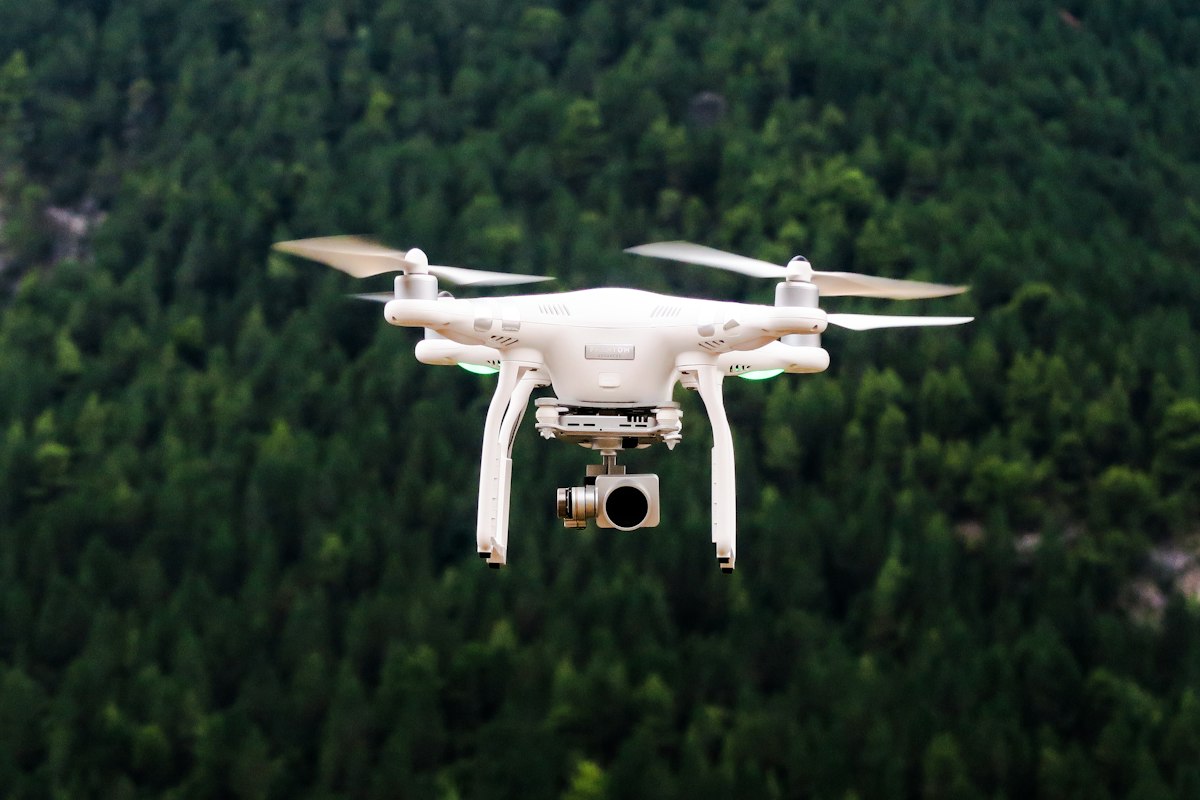
Drone Remote ID Rules in 2026: What Every Pilot Needs to Know
Remote ID turns your drone into a digital licence plate, broadcasting its identity and location in flight. Her...
 🔭 FreeSky Cosmos
How to Find the Orion Nebula With Binoculars: A Beginner's Winter Guide
The Orion Nebula is the brightest nebula in the sky and one of the easiest deep-sky objects for a beginner. Al...
 🗺️ FreeSky GeoData
What Is Remote Sensing? A Simple Guide for GIS Beginners
Remote sensing is how satellites and drones measure the Earth without touching it. This beginner guide explain...