Remote Job Interview Tips for Video Calls: Setup, Answers, and Follow-Up

- Primary Signal: Remote Job Interview Tips for Video Calls: Setup, Answers, and Follow-Up
- Overview: Video interviews judge how you will work remotely, not just what you know. Test your setup, answer with structure, and follow up professionally to stand out....
- Verification: Analyzed and compiled by FreeSky Remote editorial monitoring desk.
Remote job interviews on video calls feel different from in-person interviews, and small technical or presentation details can overshadow strong answers. Hiring managers are judging not only your skills, but also how you will communicate, collaborate, and present yourself in a remote team every day. Preparing for the format, not just the questions, gives you a clear advantage.
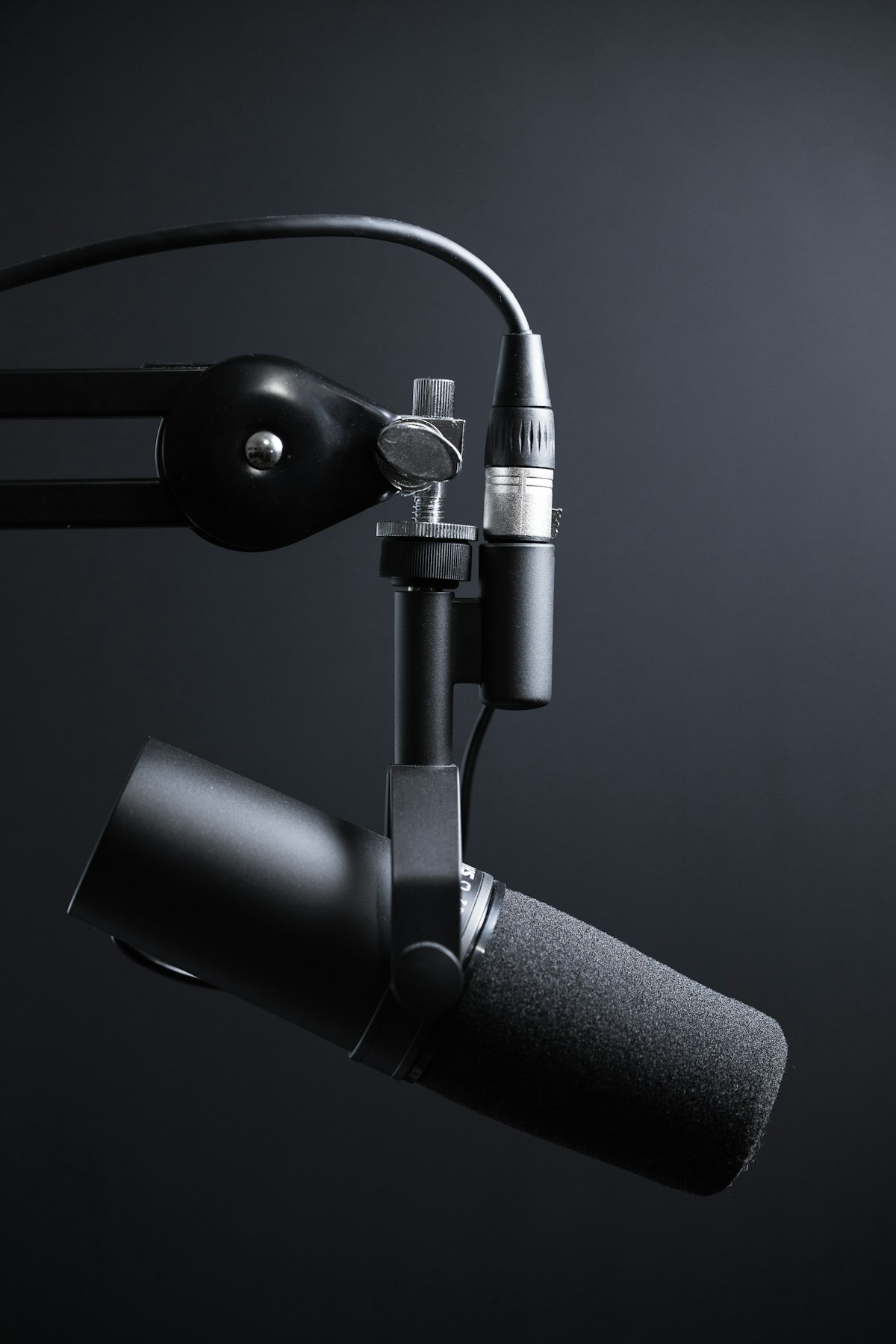
Test everything the day before: camera, microphone, headphones, internet, and the interview platform. Join five minutes early, close unnecessary tabs, silence notifications, and keep a glass of water nearby. Choose a quiet, well-lit space with a neutral background, facing a window or a lamp rather than sitting with bright light behind you, which turns you into a silhouette. If your background is busy, a simple blur or plain wall is better than a distracting room.
Keep a notebook, your CV, and a few notes about the company within reach, but do not read answers verbatim from a script. Notes should be prompts, not paragraphs. If the connection drops, stay calm, rejoin quickly, and apologise briefly without over-explaining. Technical hiccups happen to everyone, and how you handle them tells the interviewer about your remote work composure.
Remote interviews often use behavioural questions such as tell me about a time you solved a problem remotely. Use a simple structure: situation, task, action, result, and keep answers focused and concrete. Give numbers or outcomes where you can, such as a project delivered on time or a process you improved, rather than vague claims about being a team player. For remote roles, highlight examples of async communication, self-management, and collaboration across time zones.
Body language on video matters differently. Look at the camera when speaking, not at your own image, nod to show listening, and pause briefly before answering complex questions so you do not talk over the interviewer. Speak slightly slower than usual, because audio compression and lag can make fast speech hard to follow. If you do not understand a question, ask for clarification rather than guessing.
Prepare two or three thoughtful questions about the team, remote culture, onboarding, and how success is measured. Avoid asking only about perks or salary in the first interview unless the interviewer raises it. Questions about collaboration tools, meeting cadence, and mentorship show you are thinking seriously about doing the job well remotely.
After the call, send a brief thank-you email within a day, referencing a specific topic you discussed. If you do not hear back by the stated timeline, follow up once politely. A calm, professional follow-up reinforces the impression you made on video: organised, communicative, and easy to work with from a distance.
Tricky questions, such as why you want remote work or how you handle isolation, deserve honest, specific answers. Talk about your home setup, your communication habits, and examples of working independently, rather than generic praise for flexibility. Interviewers ask these questions because remote work requires self-management, and a concrete answer reassures them far more than enthusiasm alone.
If you are asked about salary, experience gaps, or a difficult past role, stay calm and factual. Acknowledge the point, explain what you learned, and redirect to the value you bring now. That composure on video mirrors the composure you will need in remote meetings, and interviewers notice it.
Preparation, calm communication, and a thoughtful follow-up are the three habits that turn a good video interview into a job offer, especially for remote roles.
That combination of preparation and composure is what hiring managers remember after the call ends.
📖 Continue Reading the Full Story
Continue reading this article on FreeSky Remote.
⚡ Access Full Content NowMore from FreeSky Remote



 🤖 WinBar AI
Can Missed-Call Text-Back Save Tipster Services Losing Subscribers?
A subscriber calls before kickoff, hits voicemail, and cancels by full time. How instant missed-call text-back...
 🛰️ FreeSky Aerial
How to Carry Medications on International Flights: 2026 Rules
Flying with medication in 2026? This guide covers carry-on rules, the 100 ml exemption for liquid medicines, l...
 🔭 FreeSky Cosmos
Best Time to See Meteor Showers 2026: Peaks, Moonlight, and Watching Tips
Meteor showers need no telescope — just dark skies, patience, and good timing. Here are the best showers of 20...
 ⚡ CyberTech 568
Best Free AI Voice Changer for Gaming in 2026
A good voice changer adds fun to game night without lag or robotic audio. Compare the best free options for Di...