Remote Job Interview Tips for Video Calls: Stand Out on Camera in 2026

- Primary Signal: Remote Job Interview Tips for Video Calls: Stand Out on Camera in 2026
- Overview: Remote interviews judge your setup and communication as much as your skills. These practical tips cover camera, sound, answers, and the follow-up that gets you hired....
- Verification: Analyzed and compiled by FreeSky Remote editorial monitoring desk.
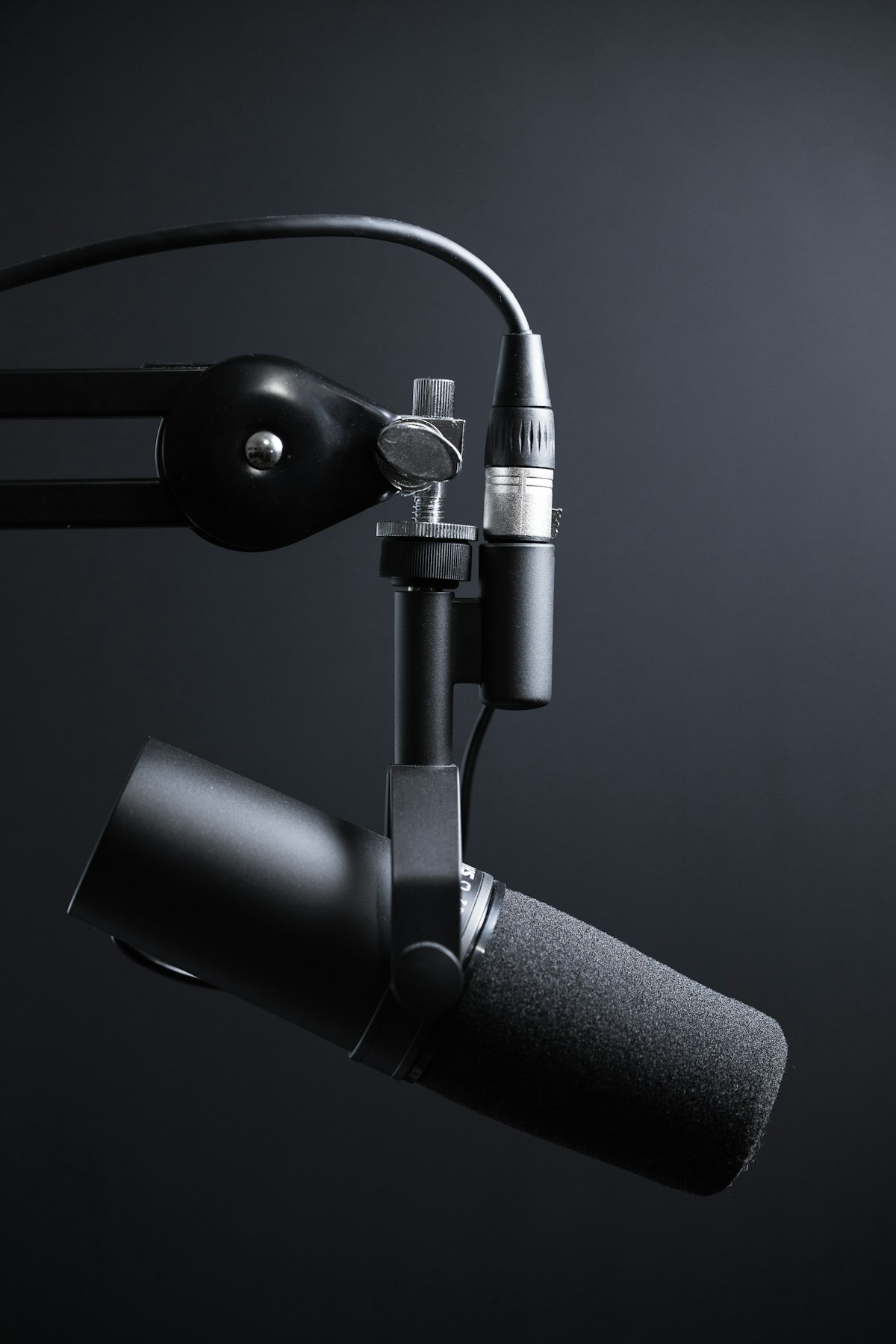
In a remote interview, your video and audio quality shape first impressions before you answer a single question. Position your camera at eye level, face a window or a soft light source so your face is lit rather than silhouetted, and choose a quiet room with a tidy, neutral background. Test your microphone with a friend beforehand, because laptop microphones pick up echo and room noise, and a modest headset often sounds far more professional than built-in audio. Close unnecessary applications, silence notifications, and have a glass of water and a notebook within reach.
Dress as you would for an in-person interview for the same company, at least from the waist up, and log in five minutes early with the meeting link tested. Keep your CV, the job description, and two or three questions for the interviewer open on a second screen or printed beside you, so you can refer to specifics without awkwardly searching. These preparations signal the same quality remote employers care about in daily work: reliability, organisation, and attention to detail.
Remote interviewers listen for evidence of self-management, written communication, and comfort with autonomy, so shape your answers around those qualities. When describing past work, name the tools you used, how you handled time-zone differences, and how you kept projects moving without daily supervision, using the situation, task, action, result structure to keep answers concise. Prepare a story about a time you solved a problem independently and one about a time you communicated a difficult message in writing, since both scenarios recur constantly in remote work.
Expect questions about your home setup, your working hours, and how you handle isolation or distraction, and answer honestly rather than claiming a perfect routine you do not have. Employers prefer a candidate who says they protect focus time with a morning routine and a dedicated workspace over one who insists they never struggle. Ask about the team's async norms, meeting load, and how success is measured, because those answers reveal whether the role suits you, and good questions impress interviewers as much as good answers.
Send a short thank-you email within a day, referencing something specific from the conversation and restating your enthusiasm for the role, and include any link or work sample you promised during the call. If the process includes a take-home task, treat it as a work sample: deliver it cleanly, document your decisions, and submit on time, since remote employers weight task performance heavily. Do not chase repeatedly; one polite follow-up after the stated timeline is professional, while several messages in a week signal anxiety rather than enthusiasm.
If you are rejected, reply graciously and ask for brief feedback, which many hiring managers will give and which often reveals a fixable gap for your next application. Remote hiring is competitive, and candidates who interview well across several processes usually land a role within a few months. Each interview sharpens your setup, your stories, and your judgement about which teams are worth joining, so treat every call as practice even when it does not end in an offer.
Remember that remote interviews are two-way evaluations, and the best candidates use them to judge the employer as carefully as they are judged. Notice whether the interviewer starts on time, whether questions are thoughtful, and whether the team describes its async norms honestly, because those details predict your daily experience far better than a job description. A company that runs a chaotic, disrespectful interview process rarely runs a calm, respectful team, and declining such a role is a good decision, not a missed opportunity. The right remote job respects your time from the first call onward.
📖 Continue Reading the Full Story
Continue reading this article on FreeSky Remote.
⚡ Access Full Content NowMore from FreeSky Remote



 🛰️ FreeSky Aerial
How to Carry Medications on International Flights: 2026 Rules
Flying with medication in 2026? This guide covers carry-on rules, the 100 ml exemption for liquid medicines, l...
 🔭 FreeSky Cosmos
Best Time to See Meteor Showers 2026: Peaks, Moonlight, and Watching Tips
Meteor showers need no telescope — just dark skies, patience, and good timing. Here are the best showers of 20...
 ⚡ CyberTech 568
Best Free AI Voice Changer for Gaming in 2026
A good voice changer adds fun to game night without lag or robotic audio. Compare the best free options for Di...
 ☁️ FreeSky Cloud
Best Free Tier Cloud Hosting 2026: Host Projects Without Paying
Compare the best free tier cloud hosting options for 2026, including what is genuinely free, what limits apply...